
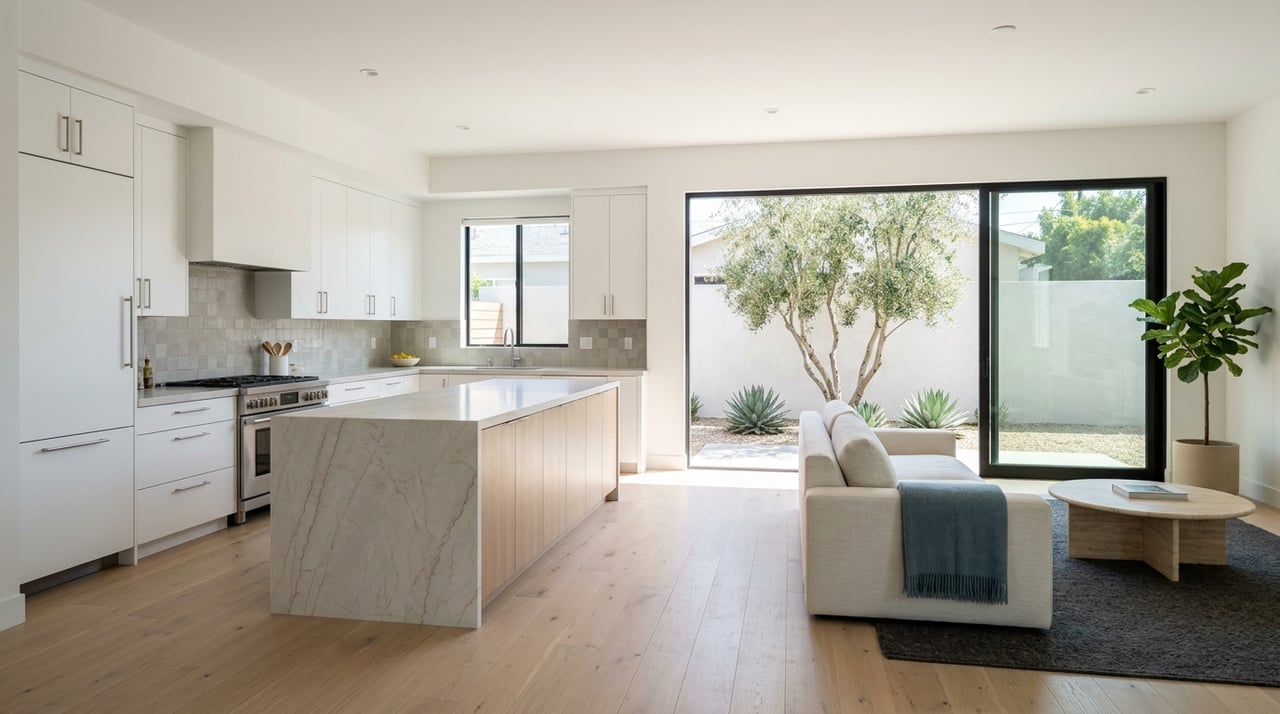
Are you dreaming about a second home in Newport Beach? It is easy to picture the coastal lifestyle, but the smartest buyers know the decision goes far beyond views and location. If you want to buy with confidence, you need to understand financing, insurance, rental rules, and long-term resale before you make an offer. Let’s dive in.
Why Newport Beach second homes need extra planning
A second home purchase in Newport Beach often comes with more moving parts than a primary residence. In this market, legal use, carrying costs, and coastal due diligence can shape your experience just as much as the property itself.
That matters even more because Newport Beach remains a premium coastal market. Redfin reported a median sale price of about $3.4 million in March 2026, which means many buyers are shopping well above standard conforming loan territory.
Financing a second home in Newport Beach
Understand second-home occupancy rules
If you plan to use conventional financing, your lender will look closely at how the property will be used. Under Fannie Mae guidelines, a second home generally must be a one-unit property, suitable for year-round occupancy, occupied by you for part of the year, and under your exclusive control.
It also cannot function as a rental property or timeshare under those rules. If rental income is identified, the loan may still qualify as a second home only if that income is not used to help you qualify.
Expect a bigger cash conversation
Newport Beach buyers should be prepared for a deeper review of reserves and overall financial strength. Fannie Mae applies added scrutiny when a borrower already owns multiple financed properties, and reserve requirements can become more important.
In practical terms, a second home here often means more cash to close, more post-closing reserves, and more coordination with your lender. If you already own other homes, this is one of the first conversations worth having.
Know where conforming limits end
For 2026, the FHFA conforming loan limit for a one-unit property in Orange County is $1,249,125. With Newport Beach home prices often far above that threshold, many second-home buyers may need jumbo or other nonconforming financing.
That does not mean buying is out of reach. It does mean your financing strategy should be realistic from the start, especially if you are comparing a Newport Beach purchase with options in other Orange County markets.
Coastal due diligence matters
Check flood-zone status early
In a coastal market, flood risk is not something to review at the very end. Buyers should verify whether a property is in a FEMA flood zone and whether it sits in a Special Flood Hazard Area.
FEMA notes that mapped coastal hazard areas can come with added requirements because buildings may face wave action, storm surge, and high-velocity water. That can affect both insurance decisions and future property planning.
Sea level rise is part of the picture
Newport Beach’s Local Coastal Program appendix notes that sea level rise can threaten shoreline development, beaches, habitats, and scenic resources. It also states that as little as 6 inches of sea level rise may negatively affect some low-lying areas around Newport Bay that are not protected by bulkheads and seawalls.
If you are considering a home near the bay, shoreline, or other low-lying area, this is a key part of your review. A beautiful location today should also make sense for your long-term ownership plans.
Remodeling can trigger added review
If you may want to remodel, expand, or improve the property later, ask early about permitting risk. The City’s coastal planning guidance says beach or bluff properties subject to wave action should evaluate flood and wave impacts, geologic stability, erosion, and other site-specific hazards over the life of a project.
That means future plans for an addition or major renovation may involve more complexity than you expect. For many buyers, that is just as important as the current floor plan.
Separate homeowners and earthquake coverage
Insurance is another area where second-home buyers should slow down and ask clear questions. The California Department of Insurance says standard homeowners insurance generally does not cover earthquake damage.
In California, the California Earthquake Authority provides most earthquake insurance policies. So if earthquake coverage matters to you, treat it as a separate decision instead of assuming it is already included.
HOA and rental rules can change the deal
Read the HOA documents early
If you are buying a condo or townhome in Newport Beach, HOA review is essential. In California common-interest developments, the seller must provide prospective buyers with governing documents, assessment information, recent notices, and disclosures of rental prohibitions before transfer.
That gives you an important window to study the CC&Rs and other association materials. Restrictions on use, leasing, fees, or approvals can directly affect how you enjoy the home.
Do not assume rental rights
California law limits certain HOA rental prohibitions and overly restrictive rental rules, but that does not mean every home has the same flexibility. Associations may still enforce their governing documents and a range of use restrictions.
If rental potential is part of your plan, review the documents carefully before you move forward. Small details in the HOA package can have a big effect on your ownership options.
Short-term lodging rules in Newport Beach
Newport Beach defines short-term lodging clearly
The City of Newport Beach defines short-term lodging as a rental of 30 days or less. The City also states that this use is limited to certain residential districts and requires both a business license and a short-term lodging permit.
That means you should never assume a property can be used for short stays just because it is in a desirable coastal area. The legal use has to be confirmed.
Permit availability is a major issue
The City says the number of active short-term lodging permits is capped at 1,550, and no new permits are being issued until the number falls below that cap. For buyers who hope to offset costs with vacation-rental income, that cap is a major consideration.
A home may look appealing from an income standpoint, but if permit availability does not line up, the actual use may be much more limited. This can affect both your budget and future resale appeal.
Existing permits do not transfer automatically
If you are looking at a property that already operates as a short-term lodging rental, verify the permit process carefully. Newport Beach says a purchaser must apply within 60 days of title transfer, and transfer is not automatic.
That is an important detail. You should confirm what can realistically continue after closing instead of relying on past performance alone.
Include local taxes in your numbers
Newport Beach requires short-term lodging permit holders to pay a transient occupancy tax equal to 10 percent of the lease amount. If you are running rental projections, that tax needs to be part of the math.
The City also advises owners in HOAs to review their CC&Rs and check with the association before advertising or applying for a permit. In other words, city approval and HOA rules both matter.
Budget for the full carrying cost
A second home budget should go beyond the mortgage payment. In Newport Beach, your true monthly and annual cost may also include HOA dues, property taxes, flood insurance, earthquake insurance, and any local permit-related obligations.
This is one reason a property that seems manageable on paper can feel more expensive once you own it. A strong purchase decision starts with a realistic ownership-cost picture, not just an attractive list price.
Tax treatment may differ from your primary home
Federal tax treatment for a second home can depend on how you use the property. The IRS says mortgage interest on a loan secured by a main home or second home may be deductible, subject to federal limits, if the loan proceeds are used to buy, build, or substantially improve the residence.
The IRS also notes that vacation-home tax treatment can change based on personal use and rental use. For example, if a home is rented for fewer than 15 days during the year, the rental income generally does not have to be reported.
Because the details can vary, it is smart to confirm your specific situation with a tax professional before you count on a certain outcome.
Think about resale before you buy
In Newport Beach, resale potential is closely tied to use rights and long-term risk. A property that legally supports short-term lodging may attract a broader pool of future buyers than a similar property without that option, but only if city rules, permit availability, and HOA documents all align.
Coastal risk matters here too. Newport Beach’s sea-level-rise planning materials make clear that today’s decisions can affect future vulnerability, especially in low-lying, shoreline-adjacent, or bluff-adjacent areas.
Keep good records from day one
If you buy a second home in Newport Beach, organize your paperwork as you go. Permit records, HOA approvals, insurance history, and renovation documentation can make a future sale smoother and help the next buyer understand the property’s legal and financial profile.
This kind of preparation supports your exit strategy and reduces surprises later. It is a simple habit that can add real value over time.
A second home in Newport Beach can be an exciting lifestyle and financial decision, but it works best when you go in with clear eyes. If you want thoughtful local guidance on Newport Beach second homes, vacation properties, or luxury coastal buying in Orange County, the team at Stephanie Young Group is here to help.
FAQs
What qualifies as a second home in Newport Beach for conventional financing?
- Under Fannie Mae guidelines, a second home generally must be a one-unit property that is suitable for year-round occupancy, occupied by you for part of the year, under your exclusive control, and not used as a rental property or timeshare.
Do Newport Beach second homes usually need jumbo financing?
- Often, yes. The 2026 conforming loan limit for a one-unit property in Orange County is $1,249,125, while Newport Beach had a reported median sale price of about $3.4 million in March 2026.
Can you use a Newport Beach second home as a short-term rental?
- Possibly, but only if the property, zoning, permit status, and HOA rules all allow it. Newport Beach defines short-term lodging as rentals of 30 days or less and requires a business license and short-term lodging permit.
Are new short-term lodging permits available in Newport Beach?
- The City says active permits are capped at 1,550, and no new permits are being issued until the number falls below that cap.
Do HOA rules matter when buying a Newport Beach condo or townhome as a second home?
- Yes. HOA governing documents, assessments, notices, and rental-related restrictions should be reviewed carefully because they can affect leasing, use, fees, and approval requirements.
Should you check flood and earthquake insurance for a Newport Beach second home?
- Yes. Buyers should verify FEMA flood-zone status, and they should also remember that standard homeowners insurance generally does not cover earthquake damage in California.
How does sea level rise affect a Newport Beach second home purchase?
- The City’s coastal planning materials say sea level rise may affect certain low-lying areas around Newport Bay and can influence long-term risk, future improvements, insurance decisions, and resale planning.
What ownership costs should you budget for with a Newport Beach second home?
- In addition to the mortgage, you may need to budget for property taxes, HOA dues, flood insurance, earthquake insurance, and any city permit or transient occupancy tax obligations tied to rental use.