
By Stephanie Young Group
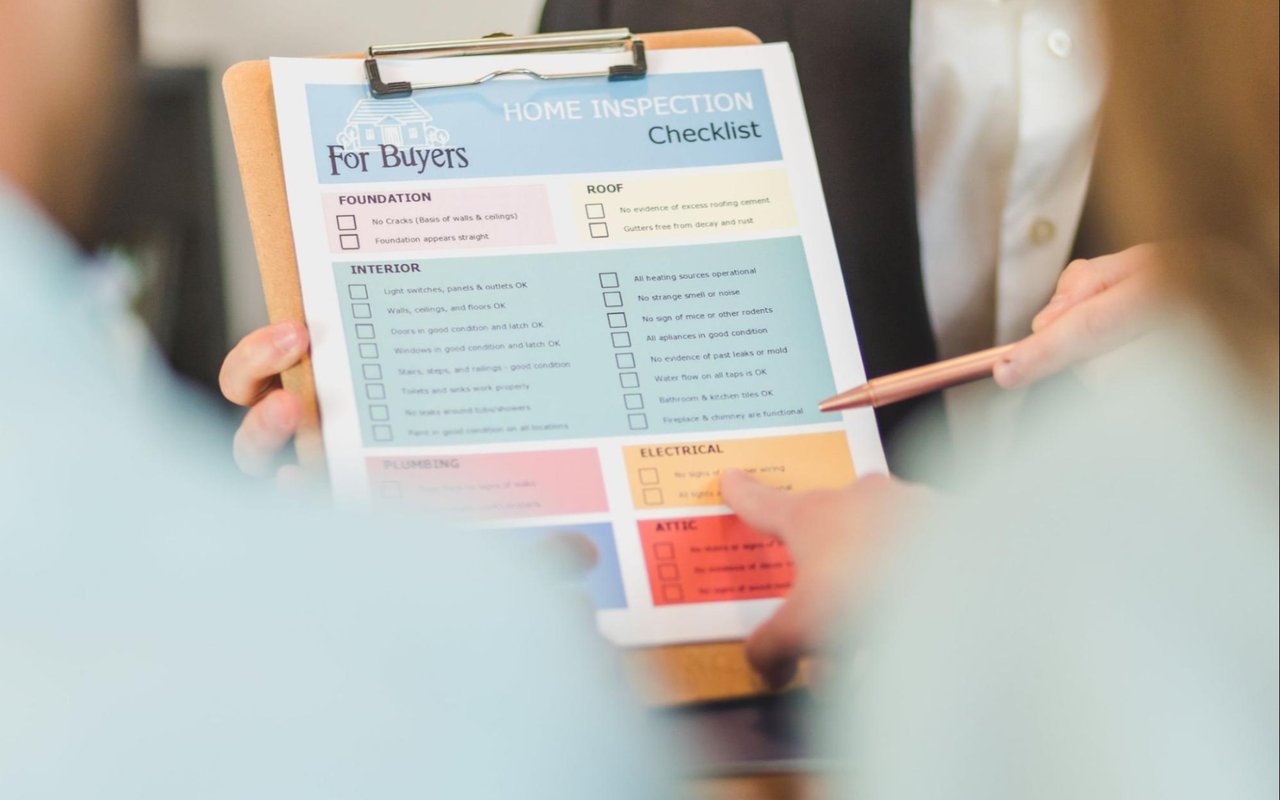
Buying a home involves many stages, and one of the most important occurs after an offer has been accepted. The home inspection provides buyers with an opportunity to evaluate the condition of the property before the transaction moves toward closing. Understanding the buyers home inspection process in Irvine allows buyers to approach this step with clarity and confidence.
In a competitive housing market like Irvine, buyers often move quickly once an offer is accepted. Even so, the inspection stage remains an important opportunity to gather information about the home’s structure and systems. When buyers understand how inspections work, they are better prepared to interpret results and make informed decisions.
Key Takeaways
- Home inspections evaluate the condition of a property before closing.
- The inspection occurs after an offer is accepted.
- Inspection findings can lead to negotiations or repair discussions.
- Professional guidance helps buyers interpret inspection reports.
Why the Home Inspection Matters
A home inspection provides an independent assessment of a property's major systems and structural components. This evaluation helps buyers understand the condition of the home before completing the purchase. Buyers who review inspection findings carefully can avoid unexpected surprises after moving in.
In Irvine, inspections are particularly important because many homes include complex systems such as HVAC units, modern electrical panels, and irrigation systems. Understanding how these components function allows buyers to make informed decisions about the property.
In Irvine, inspections are particularly important because many homes include complex systems such as HVAC units, modern electrical panels, and irrigation systems. Understanding how these components function allows buyers to make informed decisions about the property.
Major Systems Evaluated During an Inspection
Home inspectors review several important areas of the property during their evaluation. These assessments help buyers understand the condition of the home and identify potential maintenance needs.
- Structural elements such as foundation and framing
- Roofing condition and drainage systems
- Plumbing fixtures and water heaters
- Electrical panels and wiring
- Heating and cooling systems
These areas provide a comprehensive overview of the home’s condition.
When the Inspection Takes Place
The home inspection usually occurs shortly after the purchase agreement has been accepted. During this period, buyers typically have an inspection contingency that allows them to review the property’s condition before finalizing the purchase. This timeline helps ensure buyers have adequate time to evaluate inspection findings.
In Irvine transactions, inspection timelines may vary slightly depending on contract terms. Even so, most inspections occur within the first several days after the offer is accepted.
In Irvine transactions, inspection timelines may vary slightly depending on contract terms. Even so, most inspections occur within the first several days after the offer is accepted.
Steps in the Inspection Timeline
Understanding the inspection timeline helps buyers remain organized throughout the process. These steps outline how inspections typically proceed.
- Schedule the inspection after offer acceptance
- Attend the inspection if possible
- Receive the inspector’s written report
- Review findings with real estate professionals
- Decide how to proceed based on the results
Following these steps helps buyers stay informed throughout the process.
Understanding the Inspection Report
After the inspection is completed, buyers receive a written report outlining the inspector’s observations. This report often includes photos and descriptions of any issues discovered during the evaluation. While many findings may be minor, others may require further attention.
Reviewing the report carefully helps buyers understand the home’s current condition. Buyers often discuss the results with their real estate professionals to determine how the findings may affect the transaction.
Reviewing the report carefully helps buyers understand the home’s current condition. Buyers often discuss the results with their real estate professionals to determine how the findings may affect the transaction.
Common Findings in Inspection Reports
Inspection reports frequently identify a variety of maintenance items or potential concerns. These findings may vary depending on the age and condition of the property.
- Minor maintenance needs such as loose fixtures
- Roof wear or drainage concerns
- Plumbing leaks or water pressure issues
- Electrical panel updates or wiring adjustments
- HVAC system maintenance recommendations
Understanding these findings helps buyers evaluate the property more effectively.
Negotiating After the Inspection
Inspection results may lead to discussions between buyers and sellers about repairs or adjustments. Some buyers may request that certain issues be addressed before closing, while others may negotiate price adjustments or credits. These discussions are a normal part of many real estate transactions.
Negotiation outcomes depend on several factors including the severity of the issues and the terms of the purchase agreement. Experienced guidance can help buyers determine the best approach when addressing inspection findings.
Negotiation outcomes depend on several factors including the severity of the issues and the terms of the purchase agreement. Experienced guidance can help buyers determine the best approach when addressing inspection findings.
Possible Outcomes After the Inspection
Inspection results may lead to several potential next steps. Buyers and sellers often work together to determine how the transaction should proceed.
- Buyers proceed with the purchase without changes
- Buyers request specific repairs
- Buyers negotiate a credit toward future repairs
- Buyers request additional specialized inspections
- Buyers adjust certain contract terms
These scenarios help buyers address inspection findings before closing.
FAQs
Is a home inspection required when buying a home?
Inspections are not always required, but they are strongly recommended for most home purchases.
How long does a home inspection usually take?
Most inspections take several hours depending on the size of the property.
Can buyers attend the inspection?
Yes, many buyers choose to attend so they can ask questions and learn more about the home.
Understanding the Buyers Home Inspection Process in Irvine
The inspection process helps buyers evaluate the condition of a property before completing the purchase. Understanding this stage of the transaction allows buyers to approach it with greater confidence.
If you are planning to buy a home in Irvine and want guidance through the inspection process, contact us today. The Stephanie Young Group can help you navigate each stage of the homebuying journey.
If you are planning to buy a home in Irvine and want guidance through the inspection process, contact us today. The Stephanie Young Group can help you navigate each stage of the homebuying journey.